
Uncategorized
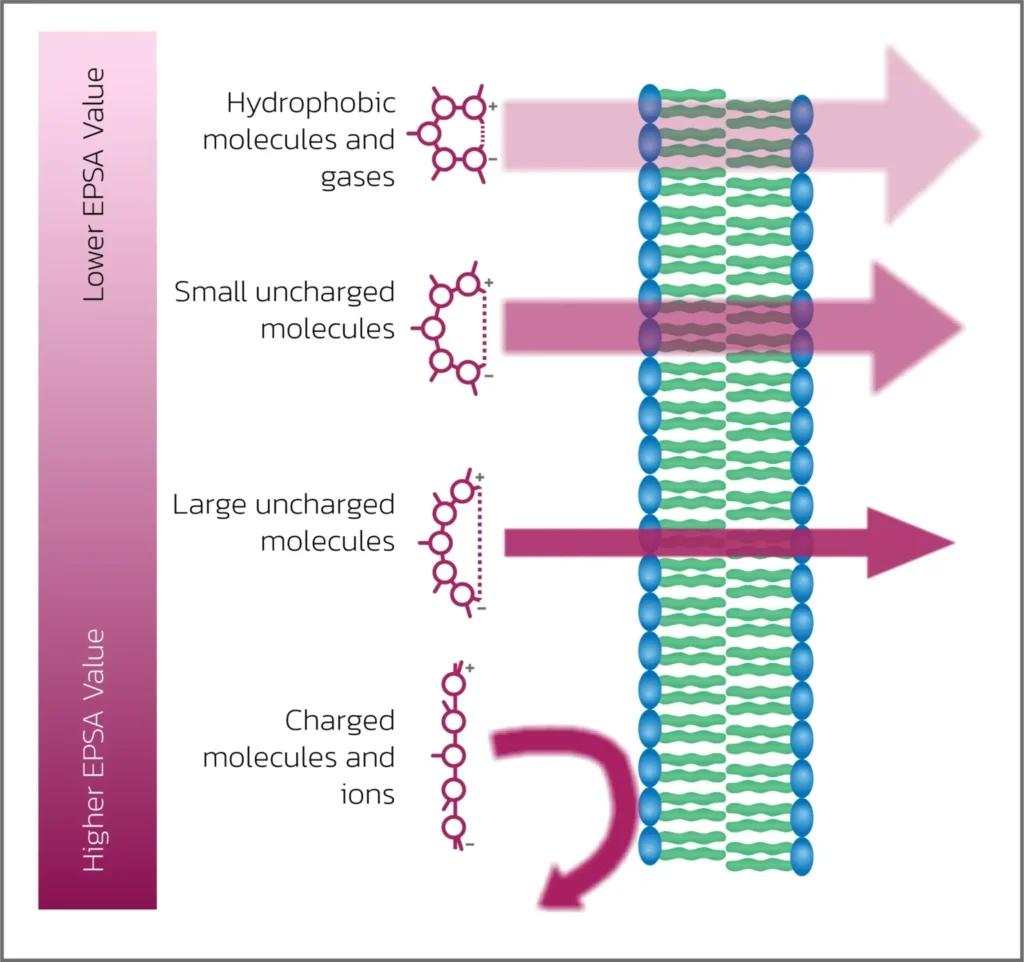
Nathaniel Jorgenson Polar surface area (PSA) is a widely used molecular descriptor in pharmaceutical research, closely linked to properties such as permeability, solubility, and oral absorption. In practice, PSA is most often estimated computationally from molecular structure, providing a convenient…
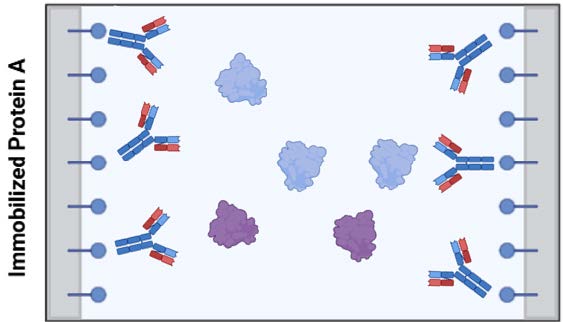
A CRO’s perspective on faster, more informative antibody analytics and processes… Matthew Crawford As a CRO supporting biologics developers from early discovery through late-stage manufacturing, we’re constantly asked the question: How can we get reliable antibody data faster, with less…
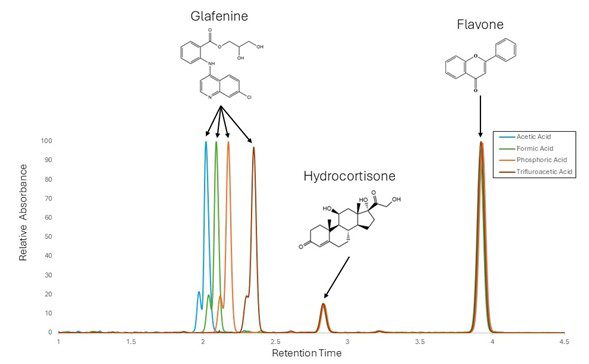
Nathaniel Jorgenson In liquid chromatography, mobile phase modifiers play a critical role in controlling analyte retention and peak shape. Mobile phase modifiers are small quantities of acids or bases added to chromatographic solvents to fine-tune the chemical environment of the…
Matthew Crawford The rapid commercialization of glucagon-like peptide-1 (GLP-1) analogs has reshaped the therapeutic and manufacturing landscape, driving innovation across peptide development platforms. However, the path from early discovery to commercial-scale manufacturing presents significant challenges—particularly in translating flexible, high-throughput purification…
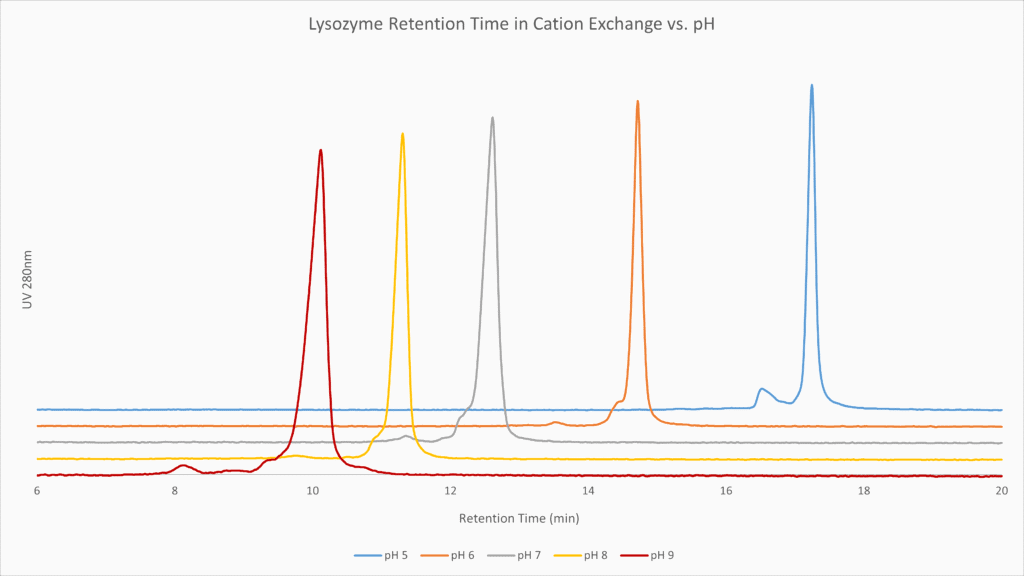
Matthew Crawford Ion exchange chromatography (IEX) is one of the most widely used techniques for protein analysis and purification. It exploits differences in the net surface charge of proteins, allowing separation based on subtle charge heterogeneities. Among the many factors…

Matthew Crawford Purifying oligonucleotides for research, diagnostics, or therapeutic applications often relies on ion exchange chromatography (IEX) due to its highly biocompatible properties during separation and good resolution. Among the various chromatographic methods available, IEX is particularly powerful because it…
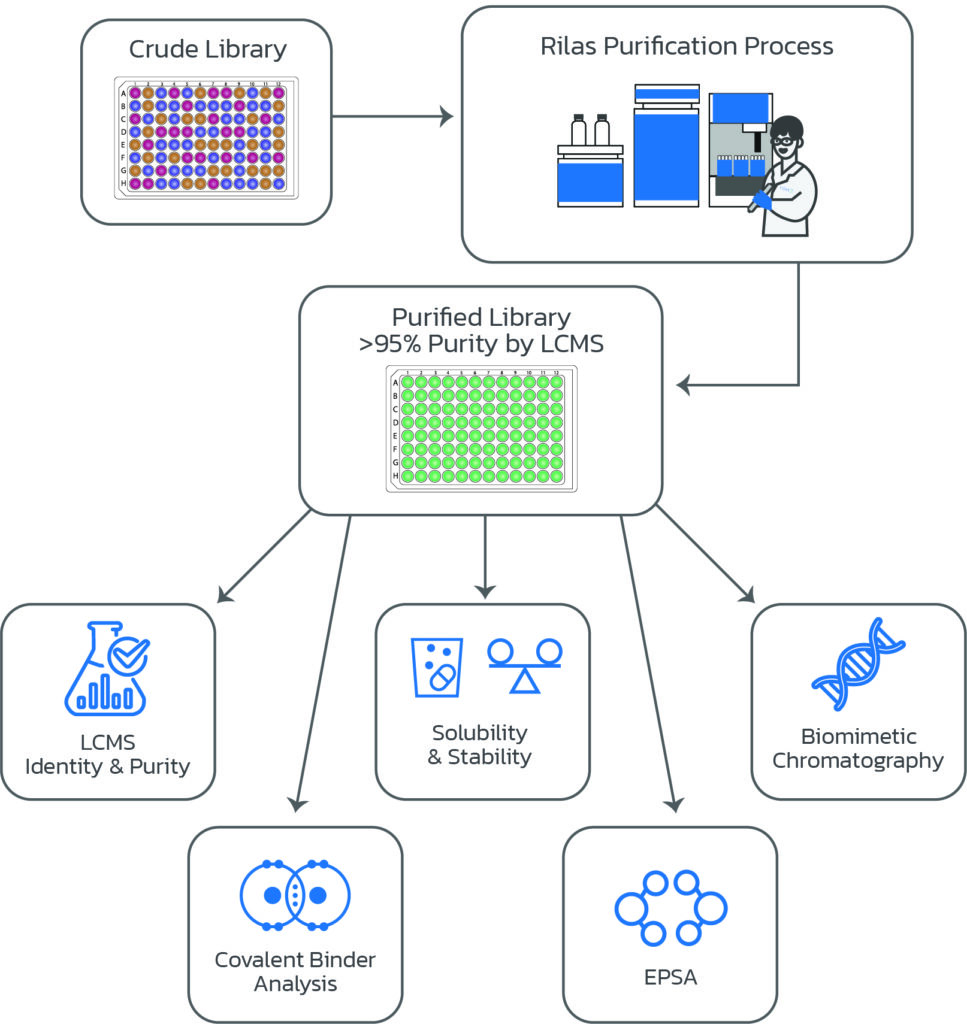
A primary early goal of drug discovery research is to generate relevant biological data in large search spaces which requires producing a large number of synthetic compounds by medicinal chemists. One of the best ways to achieve this is by…

Matthew Crawford, MS In the realm of molecular biology, the elucidation of DNA and RNA sequences is essential to furtheringresearch and maintaining high therapeutic quality. Oligonucleotides, short nucleic acids, play a crucialrole in various biological processes and are extensively employed…

Matthew Crawford, MS Proteomics, the study of proteins and their functions within organisms, has revolutionized our understanding of biological systems. Mass spectrometry (MS) plays a pivotal role in proteomic research, enabling the identification, characterization, and quantification of proteins with unparalleled…

Matthew Crawford, MS Mass spectrometry (MS) has revolutionized the field of proteomics and genomics, enabling researchers tounravel the complex structures and functions of proteins and nucleic acids with unprecedented precision.However, despite its power, MS analysis can be influenced by various…